
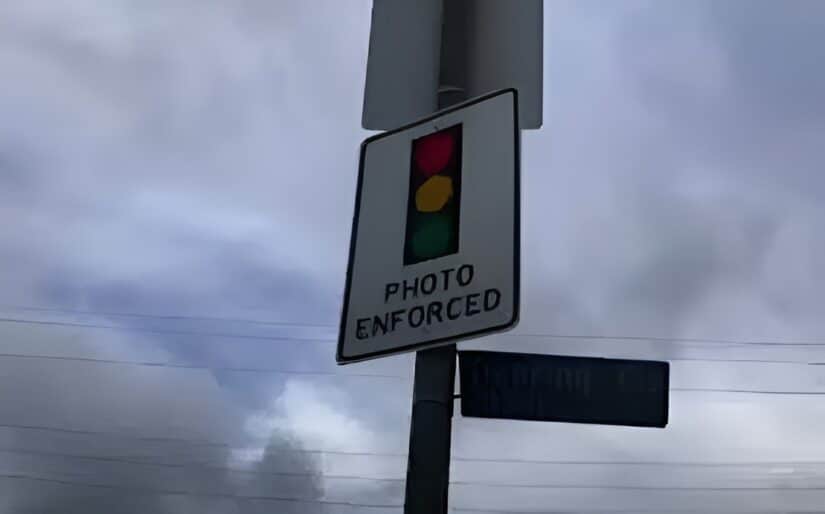
When you see a small device on the top of traffic lights in America, you might assume it’s there for traffic enforcement or to catch traffic violations. In reality, many of these devices are not red-light enforcement cameras at all. Instead, they’re part of traffic management systems that improve traffic flow, reduce traffic congestion, and help first responders reach traffic safety incidents more efficiently.
Understanding the difference between Red Light Cameras used for traffic enforcement and traffic sensors designed for traffic light timing and traffic flow is key for drivers in the United States, especially when analyzing cases like a Greenville accident.
Red Light Cameras vs. Traffic Management Devices
Red-Light Cameras
Red-light cameras are built for one purpose: catching red-light runners at signalized intersections. These devices photograph the vehicle and its license plate, often issuing a Notice of Infraction through the mail. In some states, they’re tied to a School Zone Speed and Red Light Photo Enforcement Program or other traffic signal enforcement systems.
While controversial, research by the Insurance Institute for Highway Safety and the National Highway Traffic Safety Administration shows that red-light technology can reduce fatal crashes and red light running accidents. Still, critics argue that such systems can feel like a traffic Stasi, prioritizing automated ticket revenue over safety.
Common penalties include speeding citation, points on your license, higher insurance rates, and additional court costs.
Traffic Cameras and Sensors
Most traffic cameras do not enforce laws. Instead, cities use them to manage traffic flow. They monitor congestion and help adjust signal timing. Therefore, they improve safety at busy intersections.
Programs like Vision Zero rely on these systems. They aim to reduce fatal crashes and improve road conditions.
Some devices are not cameras at all. Cities use traffic sensors such as inductive loops and acoustic units. They also use optical and thermal sensors. These tools detect vehicles, cyclists, and pedestrians. As a result, signals operate more efficiently.
Unlike enforcement cameras, these systems do not issue tickets. Instead, they help slow traffic and improve stopping distances.
Legal, Government, and Public Oversight
Local agencies regulate traffic camera systems. Police departments and courts often handle related disputes.
Officials also review laws and contract terms. Therefore, legal debates continue around automated systems.
Media outlets frequently report on these issues. In many cities, drivers challenge enforcement through public records requests. As a result, discussions about fairness continue.
Real-World Impact on Drivers
Drivers often notice cameras at intersections. However, not all cameras enforce traffic laws.
Enforcement cameras usually include clear warning signs. Therefore, drivers can identify them easily.
If authorities issue a citation, drivers receive a notice of infraction. This may lead to fines, license points, or higher insurance costs.
Safety programs also use camera data to reduce crashes. Therefore, these systems support safer driving habits.
Examples of Use Cases
Cities install safety cameras in high-risk areas. For example, Vision Zero projects target dangerous corridors.
Some cities also use red-light cameras. However, public backlash has led to policy changes. Therefore, enforcement varies by location.
Budget concerns also affect these programs. In some areas, people question how cities use revenue.
Technology and Detection Gaps
Older sensors sometimes miss smaller vehicles. Motorcycles and bicycles often face detection issues.
Newer systems solve this problem. Thermal and optical sensors improve accuracy. As a result, signals work better for all users.
Some states allow drivers to proceed after a full stop. However, drivers must ensure safety before moving.
Conclusion
Traffic cameras serve multiple purposes. Some support law enforcement, while others manage traffic.
Many devices focus on improving safety and efficiency. Therefore, they play a key role in modern road systems.
Next time you see devices at intersections, remember their purpose. Most help traffic flow and protect road users.
About Ted Law firm
At Ted Law Firm, helps communities and drivers understand the complex intersection of traffic enforcement, traffic management, and public safety policy. We serve families across Aiken, Anderson, Charleston, Columbia, Greenville, Myrtle Beach, North Augusta and Orangeburg. With knowledge of how traffic cameras on traffic lights influence the legal system, Ted Law provides clear, practical insights to guide your understanding. Contact us today for a free consultation
